
Preschool Transition Activities PDF: A Comprehensive Plan
This comprehensive PDF toolkit empowers educators and parents, offering unique activities to smoothly guide preschoolers into kindergarten. It’s divided into spring connection strategies and skill-focused exercises.
Preschool transition represents a significant developmental leap for young children, marking their initial formal step into the world of structured education. This period, often occurring between ages four and five, necessitates careful preparation and support from both educators and families. A successful transition minimizes anxiety and fosters a positive attitude towards learning.
Effective transition activities aren’t simply about academic readiness; they encompass social-emotional development, independence skills, and familiarization with the kindergarten environment. The goal is to create a bridge between the familiar comfort of preschool and the new expectations of kindergarten.
This toolkit focuses on providing resources, including PDF checklists and activity sheets, designed to facilitate this process. Understanding the unique challenges and implementing proactive strategies are key to ensuring a smooth and joyful start to kindergarten.
Why Transition Activities are Crucial
Transition activities are fundamentally crucial because they directly impact a child’s emotional well-being and academic success as they enter kindergarten. A well-supported transition minimizes separation anxiety and builds confidence, allowing children to engage more fully in learning. These activities proactively address potential challenges, such as adjusting to new routines and expectations.
Furthermore, targeted PDF resources, like checklists and activity sheets, help assess a child’s readiness in key areas – social-emotional skills, fine and gross motor abilities, and pre-literacy concepts. Early identification of areas needing support allows for focused intervention.
Ultimately, successful transitions foster a lifelong love of learning. By providing a positive first experience with formal education, we empower children to thrive academically and socially;
Understanding the Challenges of Transition
Transitioning from the familiar preschool environment to kindergarten presents several challenges for young children. These often include adjusting to a more structured schedule, increased academic expectations, and larger class sizes. Separation anxiety from parents or caregivers is a common hurdle, particularly during the initial weeks.
Children may also struggle with navigating new social dynamics, learning classroom routines (like handwashing or lining up), and managing transitions between activities – moving from circle time to centers, for example. A PDF toolkit can help identify these specific areas of difficulty.
Understanding these challenges allows educators and parents to proactively implement supportive strategies and create a smoother, less stressful experience for the child.
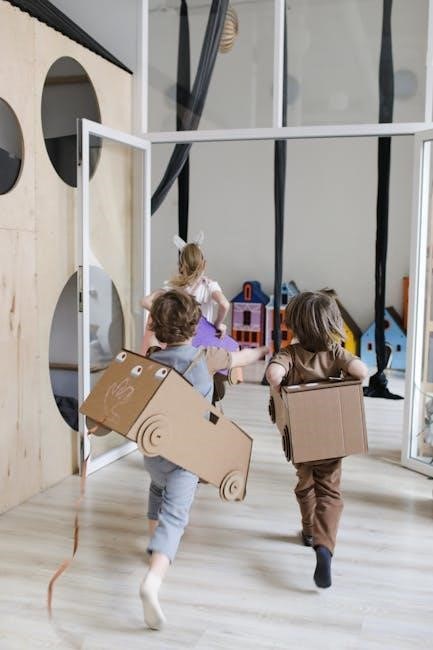
Preparing for the Transition: Spring Activities
Spring offers ideal opportunities to connect with kindergarten teachers, schedule classroom visits, and implement “All About Me” activities, easing the transition.
Connecting with Kindergarten Teachers
Establishing a strong partnership with kindergarten teachers is paramount during the preschool transition period. This collaboration ensures a seamless experience for the child, fostering continuity in learning and support. Reach out early in the spring to schedule a meeting, either in person or virtually, to discuss each child’s individual strengths, needs, and learning style.
Share relevant documentation, such as developmental assessments and anecdotal records, providing valuable insights into the child’s progress. Discuss kindergarten expectations and curriculum, allowing you to prepare children accordingly.
Furthermore, inquire about classroom routines and procedures, enabling you to introduce similar structures within the preschool setting. This proactive approach minimizes anxiety and promotes a sense of familiarity when the child enters kindergarten. A collaborative spirit benefits everyone involved!
Kindergarten Visits & Familiarization
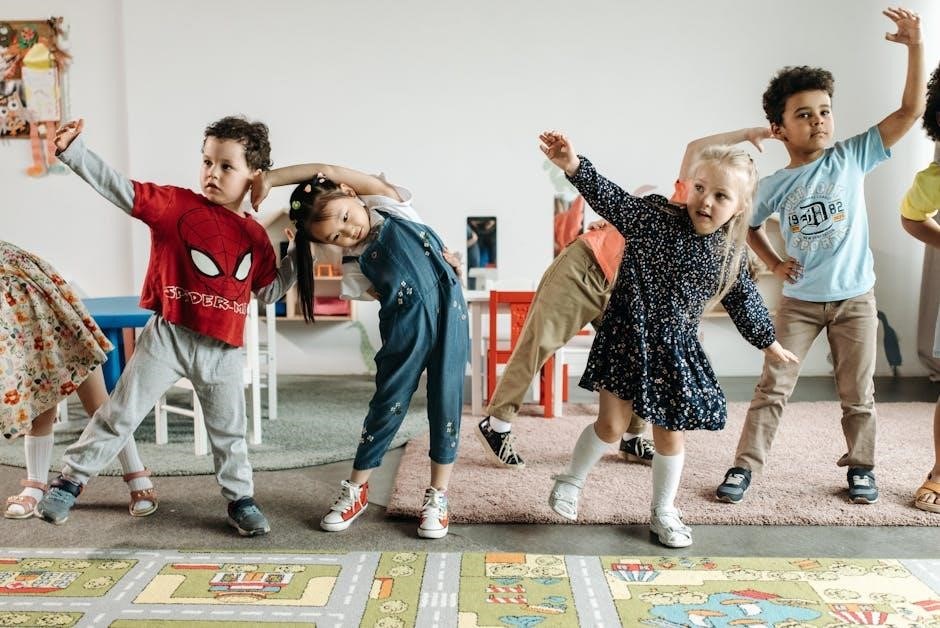
Organizing visits to the kindergarten classroom is a powerful strategy for easing the transition. These familiarization experiences allow children to physically explore the new environment, reducing apprehension and building excitement. Ideally, arrange multiple visits throughout the spring, starting with brief introductions and gradually increasing the duration.
During these visits, encourage children to interact with kindergarten teachers and students, fostering a sense of belonging. Allow them to explore learning centers, the library, and the cafeteria.
Reading kindergarten-themed books beforehand can further prepare them. Practicing routines like lining up or using the bathroom in a similar setting can also be beneficial. These visits transform the unknown into something approachable and welcoming!
“All About Me” Activities
“All About Me” activities are invaluable for building self-awareness and confidence as children prepare for kindergarten. These exercises encourage children to reflect on their unique qualities, strengths, and interests, fostering a positive self-image. Consider creating “My Kindergarten Book,” where children draw pictures and write (or dictate) about their family, favorite things, and what they’re good at.
Self-portraits, sharing favorite colors and foods, and discussing personal goals are also effective. These activities provide kindergarten teachers with valuable insights into each child’s personality and learning style.
Incorporating these into a PDF resource allows for easy sharing with families, extending the learning beyond the classroom and promoting open communication.
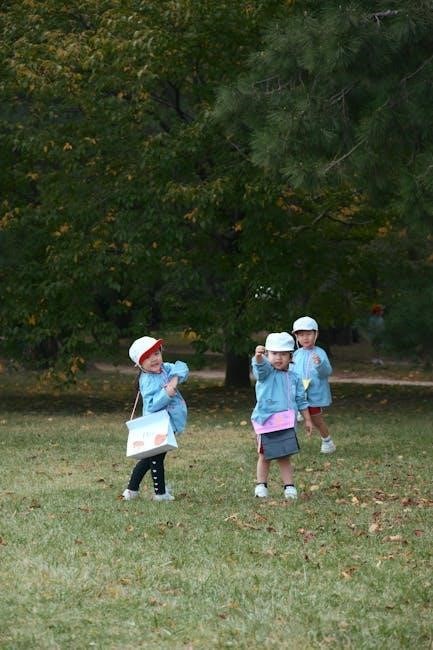
Transition Activities Focused on Skills
Skill-based activities in the PDF build essential competencies for kindergarten success, encompassing fine and gross motor skills, alongside language and communication development.
Fine Motor Skill Development Activities
Developing fine motor skills is crucial for kindergarten readiness, and the PDF toolkit provides a wealth of engaging activities. These exercises focus on strengthening the small muscles in hands and fingers, preparing children for tasks like writing and using scissors.
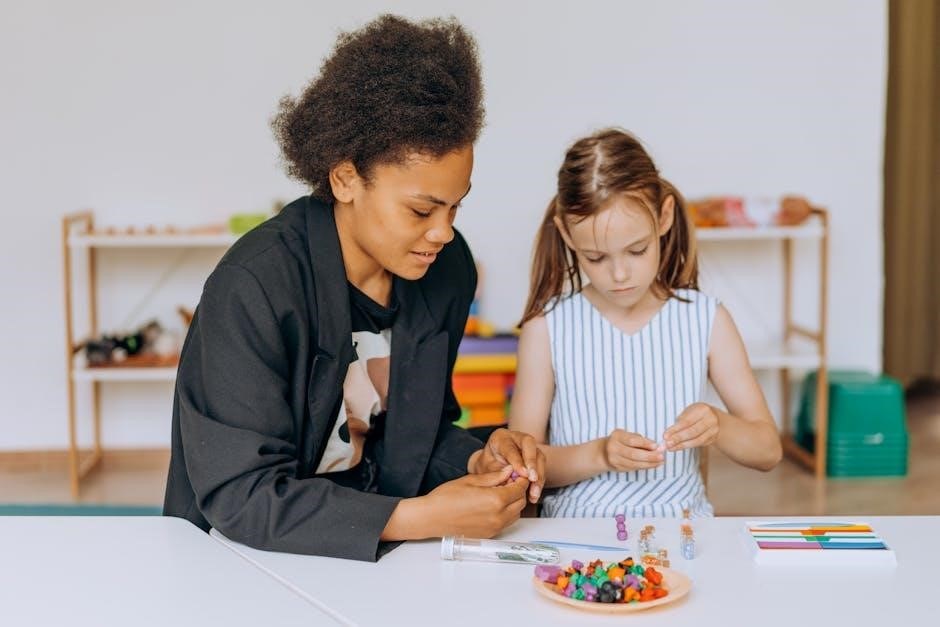
Activities include threading beads, using playdough to create shapes, completing puzzles, and practicing drawing and coloring. The toolkit emphasizes activities that encourage precise hand movements and coordination.
Furthermore, the PDF suggests incorporating activities like using tongs to transfer small objects, building with small blocks, and manipulating fasteners like buttons and zippers. These tasks not only enhance dexterity but also promote concentration and problem-solving skills, setting a strong foundation for academic success in kindergarten.

Gross Motor Skill Development Activities
The preschool transition PDF toolkit recognizes the importance of gross motor skill development for kindergarten success; These activities focus on building strength, coordination, and balance – essential for navigating the kindergarten environment and participating in physical activities.
Suggestions include obstacle courses, hopping, jumping, running, and throwing and catching games. The toolkit emphasizes activities that encourage large muscle movements and spatial awareness.
Furthermore, the PDF proposes incorporating activities like riding tricycles, climbing, and playing tag. These tasks not only enhance physical abilities but also promote social interaction and teamwork. Developing these skills fosters confidence and prepares children for the active learning environment of kindergarten, ensuring a smoother and more enjoyable transition.
Language and Communication Skill Builders
The preschool transition PDF toolkit highlights language and communication as cornerstones of kindergarten readiness. Activities within the PDF are designed to expand vocabulary, improve sentence structure, and enhance listening comprehension – vital skills for classroom participation and following instructions.
Suggestions include storytelling, show-and-tell, and engaging in conversations about feelings and experiences. The toolkit emphasizes interactive read-alouds, prompting children to ask questions and retell stories in their own words.
Furthermore, the PDF proposes incorporating rhyming games, singing songs, and practicing clear articulation. These activities not only build language proficiency but also foster confidence in self-expression. Strengthening these skills ensures children can effectively communicate their needs, ideas, and emotions, leading to a successful kindergarten transition.
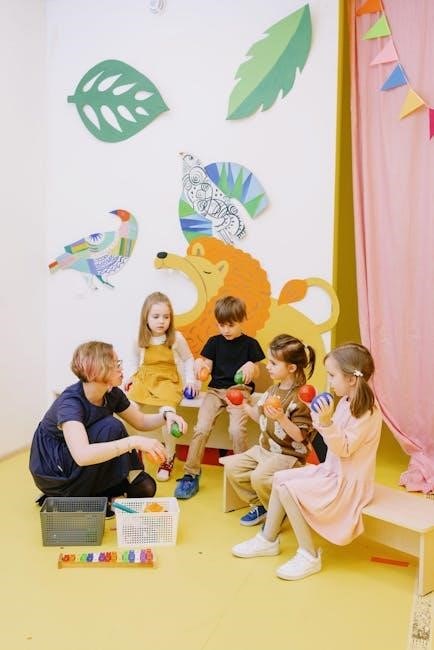
Social-Emotional Transition Support
The PDF toolkit prioritizes fostering independence, building social skills through play, and managing separation anxiety, ensuring emotional readiness for kindergarten success.
Activities to Foster Independence
Encouraging self-sufficiency is vital during the preschool-to-kindergarten transition. The PDF toolkit includes activities designed to build these crucial skills. Think about practical tasks – can children independently manage their belongings? Activities like self-dressing practice, zipping coats, and putting on shoes are excellent starting points.
Furthermore, the toolkit suggests incorporating choices into daily routines. Offering limited options – “Do you want the red or blue crayon?” – empowers children and fosters decision-making skills. Simple tasks like pouring their own water (with supervision) or cleaning up their play area contribute to a sense of responsibility.
Role-playing scenarios, such as pretending to ask for help, can also build confidence. The goal is to equip children with the skills to navigate kindergarten with a growing sense of autonomy and self-reliance, easing the transition process.
Building Social Skills Through Play
The PDF toolkit emphasizes play-based learning to nurture essential social skills for kindergarten readiness. Cooperative games, where children work together towards a common goal, are highlighted. These activities encourage sharing, turn-taking, and collaborative problem-solving – skills vital for classroom success.
Dramatic play centers, equipped with props like dress-up clothes and play kitchens, provide opportunities for children to practice social roles and communication. The toolkit suggests facilitating scenarios that require negotiation and compromise.
Structured playdates with future classmates can also ease the transition. Activities like building a tower together or creating a collaborative art project promote interaction and friendship-building. Focus on encouraging positive interactions and modeling appropriate social behavior to prepare children for the kindergarten social environment.
Managing Separation Anxiety Activities
The PDF toolkit acknowledges separation anxiety as a common challenge during preschool transition and offers supportive activities. Creating a “comfort item” station, where children can bring a familiar object from home, is suggested. This provides a sense of security during drop-off.
Role-playing scenarios, where children practice saying goodbye to parents and engaging in classroom activities, can build confidence. The toolkit emphasizes consistent and positive drop-off routines, encouraging brief but reassuring goodbyes.
Visual supports, like a social story depicting a typical kindergarten day, can help children understand what to expect and reduce anxiety. Activities focusing on emotional literacy – identifying and expressing feelings – are also included, empowering children to cope with separation stress.
Classroom Transition Strategies
The PDF toolkit details effective transition cues, games, and songs to navigate classroom shifts. Visual schedules are key, providing predictability and reducing anxiety during activity changes.
Effective Transition Cues & Signals
Establishing clear and consistent transition cues is paramount for success. The PDF resource emphasizes utilizing both auditory and visual signals to prepare children for upcoming changes. A chime, a specific song, or a verbal phrase like “clean-up time” serve as auditory cues, alerting students to shift gears.
Visual signals, such as a timer, a picture card depicting the next activity, or a hand signal, reinforce the message and cater to different learning styles. These cues should be introduced and practiced repeatedly, allowing children to anticipate and understand expectations.
The toolkit suggests pairing cues with positive reinforcement, acknowledging children who respond promptly and appropriately. Consistent implementation minimizes confusion and resistance, fostering a smoother and more predictable classroom environment. Effective cues reduce idle time, like during handwashing, by incorporating transitional games.
Transition Games & Songs
The PDF toolkit highlights the power of incorporating playful transitions. Games and songs transform potentially disruptive moments into engaging learning opportunities. Simple games like “Simon Says” or “Red Light, Green Light” encourage listening skills and self-regulation during movement between activities.
Singing songs, particularly those related to clean-up or specific routines, provides a fun and memorable cue. The resource suggests utilizing songs while waiting, such as during handwashing, to occupy children and minimize idle time.
These activities not only manage behavior but also build social skills and a sense of community. The toolkit emphasizes selecting games and songs appropriate for the children’s developmental level and interests, maximizing engagement and effectiveness.
Utilizing Visual Schedules
The preschool transition PDF toolkit strongly advocates for employing visual schedules to enhance predictability and reduce anxiety. These schedules, featuring pictures or symbols representing each activity, offer children a clear understanding of what to expect throughout the day.
This visual support is particularly beneficial during transitions, as it allows children to anticipate the next step and mentally prepare. The toolkit suggests displaying schedules at children’s eye level, ensuring accessibility and promoting independence.
Customizing schedules with individual child’s photos can further personalize the experience and increase engagement. Consistent use of visual schedules fosters a sense of security and empowers children to navigate transitions with greater confidence.
PDF Resource Compilation & Creation
The toolkit culminates in creating essential PDF resources: kindergarten checklists, “Summer Bridge” activities, and compiled transition sheets, supporting a seamless preschool-to-kindergarten journey.
Creating a Kindergarten Checklist PDF
Developing a Kindergarten Checklist PDF is a vital component of a successful transition plan. This resource, as highlighted in available toolkits, should encompass key developmental areas.
Consider including sections for personal and social development – assessing self-help skills like dressing and toileting, alongside social interactions. Fine and gross motor skills are also crucial; can the child use scissors and hop?
Language and communication skills, including following directions and expressing needs, should be evaluated. Early math and literacy skills, such as recognizing letters and counting, complete the assessment.
The PDF should feature a cover page and clearly defined checklists for each area, providing parents and educators with a tangible tool to track progress and identify areas needing further support before kindergarten begins.
Developing a “Summer Bridge” Activity PDF
A “Summer Bridge” Activity PDF serves as a crucial link, preventing summer learning loss and reinforcing kindergarten readiness. This resource extends learning beyond the preschool year, maintaining skills and easing the transition.
The PDF should include engaging activities focusing on pre-literacy skills – letter recognition, rhyming, and storytelling. Simple math exercises, like counting and shape identification, are also beneficial.
Incorporate activities that promote fine motor development, such as coloring, cutting, and building with blocks. Social-emotional activities, encouraging self-expression and problem-solving, are equally important.
Design the PDF as an activity book, offering a variety of tasks to keep children engaged throughout the summer. This proactive approach ensures a smoother and more confident start to kindergarten.
Compiling Transition Activity Sheets into a PDF
Creating a centralized PDF document containing all transition activity sheets streamlines resource access for both educators and parents. This compilation should encompass a diverse range of activities, addressing various developmental domains.
Include checklists for kindergarten readiness, covering personal, social, emotional, and academic skills. Integrate fine and gross motor skill exercises, alongside language and communication builders.
Organize the PDF logically, perhaps by skill area or activity type, with clear headings and instructions. Ensure the document is visually appealing and easy to navigate.
Prioritize a user-friendly format, allowing for easy printing or digital access. A well-organized PDF serves as a comprehensive and valuable tool for supporting a successful preschool-to-kindergarten transition.
Parent Involvement & Support
Engaging parents through informative handouts and home-based activities is crucial. Addressing concerns and fostering open communication ensures a collaborative transition process.
Parent Information Handouts (PDF Format)
Creating well-designed, informative PDF handouts is essential for supporting parents during this significant transition. These resources should clearly outline kindergarten expectations, including academic skills and behavioral expectations.
Handouts can detail the kindergarten daily schedule, providing a visual representation of what their child will experience. Include sections on essential skills – personal, social, fine/gross motor, language, early math, and literacy – with suggestions for reinforcing these at home;
A welcome letter introducing the kindergarten team and classroom environment builds rapport. A kindergarten checklist, covering everything from supplies to required documentation, ensures preparedness. These PDFs should be easily accessible, downloadable, and printable, empowering parents to actively participate in their child’s successful transition.
Home-Based Transition Activities
Extending transition support beyond the classroom through home-based activities strengthens a child’s readiness for kindergarten. These activities should focus on reinforcing key skills in a playful, engaging manner.
Encourage parents to practice fine motor skills with activities like drawing, coloring, and using playdough. Reading aloud daily builds literacy skills and fosters a love of books. Simple math games, like counting objects or identifying shapes, prepare them for early math concepts.
Role-playing kindergarten scenarios – lining up, asking for help, sharing – builds social-emotional confidence. Practicing independence with tasks like dressing and toileting is also crucial. Providing a “Summer Bridge” activity PDF with these ideas ensures continued learning and a smoother transition.
Addressing Parent Concerns & Questions
A successful transition relies on open communication and addressing parental anxieties. A dedicated section within the PDF toolkit should proactively answer frequently asked questions about kindergarten expectations, curriculum, and daily routines.
Common concerns often revolve around academic readiness, social adjustment, and separation anxiety. Providing reassurance, highlighting the child’s strengths, and offering practical strategies can alleviate these worries.
Include a clear explanation of the kindergarten assessment process and how preschool skills align with kindergarten standards. Offer opportunities for parents to connect with kindergarten teachers and participate in school events. A well-crafted FAQ section, available in PDF format, fosters trust and collaboration.
Assessment & Monitoring Transition Progress
PDF checklists and tracking tools help monitor skill development during the transition. Observing progress allows for individualized adjustments to activities, ensuring each child thrives.
Observational Checklists (PDF)
Detailed observational checklists, conveniently formatted as PDFs, are essential for gauging a child’s readiness for kindergarten. These checklists move beyond simple assessments, providing a nuanced view of development across key areas.
Specifically, checklists should cover personal and social development – noting independence in self-care tasks and positive peer interactions. Fine and gross motor skills are also crucial; observe abilities like holding a pencil and navigating the playground.
Language and communication skills, including expressive and receptive language, should be carefully documented. Early math and literacy skills, such as recognizing shapes and letters, complete the picture.
PDF format ensures easy printing and portability for use in various settings, allowing teachers to consistently track progress and identify areas needing further support during the preschool transition.
Tracking Skill Development
Systematically tracking skill development is paramount during the preschool-to-kindergarten transition. This involves regularly documenting a child’s progress across multiple domains – personal, social, emotional, cognitive, and physical. Utilize the observational checklists (PDFs) to record specific milestones achieved and areas requiring focused attention.
Maintain individual portfolios or digital records to showcase growth over time. Note improvements in fine motor skills (pencil grasp, scissor use), gross motor skills (running, jumping), and communication abilities.
Regularly review these records to identify patterns and tailor transition activities accordingly. This data-driven approach ensures interventions are targeted and effective, maximizing each child’s potential for a successful kindergarten start.
PDF-based progress reports can be easily shared with parents, fostering collaboration and a unified support system.
Adjusting Activities Based on Individual Needs
Recognizing that each child transitions at their own pace is crucial. The preschool transition PDF toolkit should facilitate flexible activity modification. Regularly assess each child’s response to implemented strategies, using observational data and progress monitoring results.
For children exhibiting separation anxiety, increase the frequency of comforting activities and gradual separation practices. Those needing fine motor skill support benefit from targeted exercises. Adapt activities to accommodate diverse learning styles and developmental levels.
A one-size-fits-all approach is ineffective. The PDF resources should empower educators to personalize the transition experience, ensuring every child feels confident and prepared for kindergarten.
Continual adjustments, informed by individual needs, maximize the impact of transition support.